
What Is KPV? Lys-Pro-Val Sequence, Alpha-MSH Origin and Mechanism
KPV is the tripeptide lysine-proline-valine (Lys-Pro-Val), the last three residues of alpha-melanocyte-stimulating hormone (alpha-MSH). PubChem lists the free acid, H-Lys-Pro-Val-OH, as CID 125672, with CAS number 67727-97-3, the formula C16H30N4O4 and a molecular weight of 342.43 g/mol. In cell studies it is carried into cells by the PepT1 transporter and dampens NF-κB signalling, largely without the melanocortin receptor activity of its parent hormone.
Ziltivekimab, hsCRP and IL-6: Pro-Inflammatory Cytokines Explained
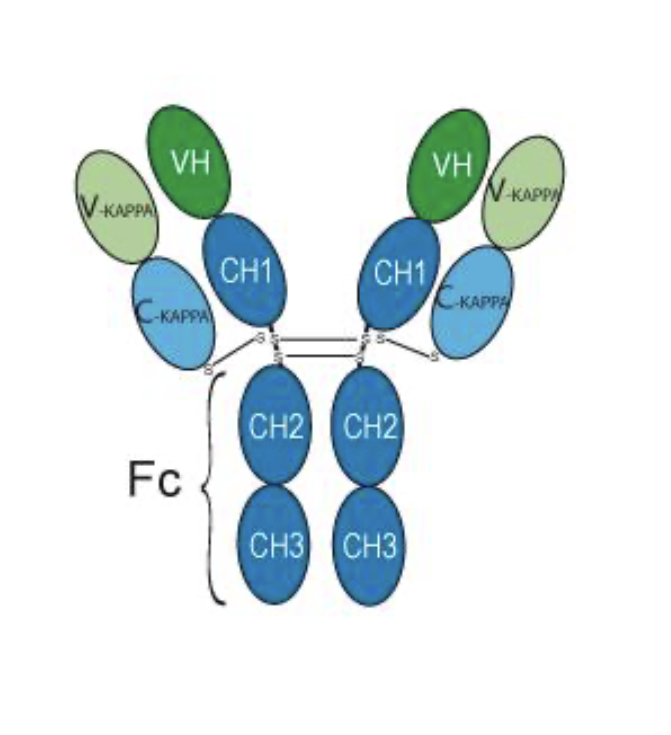
Ziltivekimab is an antibody directed against interleukin-6 (IL-6), a cytokine that helps connect inflammatory signaling to liver production of C-reactive protein. Its research program illustrates why lowering high-sensitivity C-reactive protein (hsCRP) and improving cardiovascular outcomes are separate scientific questions. Comparisons with KPV and other peptides are most useful when they explain those different mechanisms, rather than treating all inflammation-related compounds as equivalents.
What Is Vilon? The Lys-Glu (KE) Dipeptide Explained
Vilon is the dipeptide Lys-Glu, written KE in one-letter code: one L-Lysine joined to one L-Glutamic acid. PubChem lists it as CID 7010502, with the formula C11H21N3O5 and a molecular weight of 275.30 g/mol. Unlike most short bioregulators, it has measured data at PEPT1, the transporter built for di- and tripeptides.
Role of Melanocortin Receptors in Biology

The melanocortin receptors are a family of five G-protein-coupled receptors, MC1R through MC5R, that help regulate energy balance, pigmentation, inflammation and certain adrenal gland functions. Each receptor subtype is studied for its own set of biological roles.