
A review of four widely studied research compounds — IPAM (Indolepropionamide), Methylene Blue, Glutathione (including liposomal glutathione and nano glutathione formulations), and Coenzyme Q10 (CoQ10) in its ubiquinone and ubiquinol forms — across measured antioxidant potency, mitochondrial Complex I and Complex IV activation, reported nootropic-adjacent cognition signals in animal models, and preclinical longevity endpoints as reported in the peer-reviewed literature.
- 0.18 µMIPAM 8-OHdG IC50 reported in aged rodent brain preparations
- ~70%MB rat brain cytochrome c oxidase increase after repeated low-dose administration
- +6%MB female mouse maximum lifespan in the NIA Interventions Testing Program
- ~2.4×Liposomal / micellar glutathione whole-blood GSH exposure vs. standard GSH in a published crossover pilot
What antioxidant activation means in this article
Across the peer-reviewed literature, the phrase “antioxidant activation” is used for at least three mechanistically distinct behaviors that a research compound may exhibit in an in-vitro or preclinical model:
- Direct radical quenching — the compound reacts with reactive oxygen species (ROS) or their reaction products (hydroxyl radical, superoxide, 8-hydroxy-2′-deoxyguanosine adducts), typically quantified by half-maximal inhibitory concentration (IC50) against a defined marker.
- Endogenous antioxidant enzyme induction — the compound activates cellular defense programs such as Keap1/Nrf2/ARE, upregulating superoxide dismutase (SOD), catalase, glutathione peroxidase, and heme oxygenase-1.
- Mitochondrial ROS suppression at the source — the compound reduces electron leak by stabilizing (or bypassing) damaged sites in the electron transport chain, particularly Complex I and Complex IV.
IPAM, Methylene Blue, Glutathione, and CoQ10 all appear across these three behavior categories in the antioxidant literature — but each activates a different subset, and the strength of the underlying evidence base varies substantially between them. The remainder of this article treats each compound’s reported behavior only within its published in-vitro and preclinical context.
The four compounds at a glance
Each research material below is available as a Modern Aminos catalog item, supplied strictly for laboratory research applications.
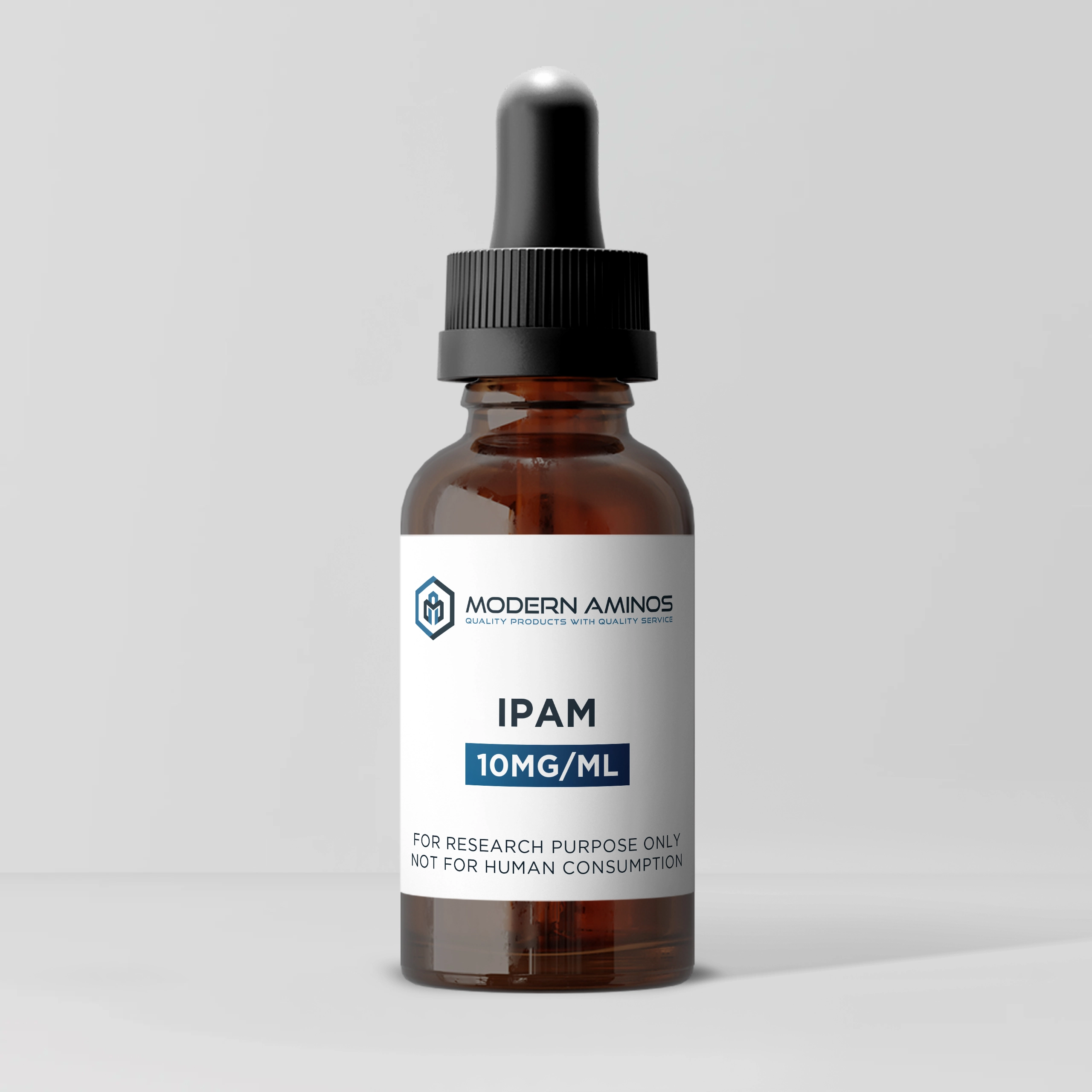
IPAM (Indolepropionamide)
Endogenous indole; reported Complex I ligand
Indole amide reported in a foundational in-vitro study to bind Complex I at the Fe-S cluster N2 in aged rodent brain mitochondrial preparations, with sub-micromolar radical-quenching activity.
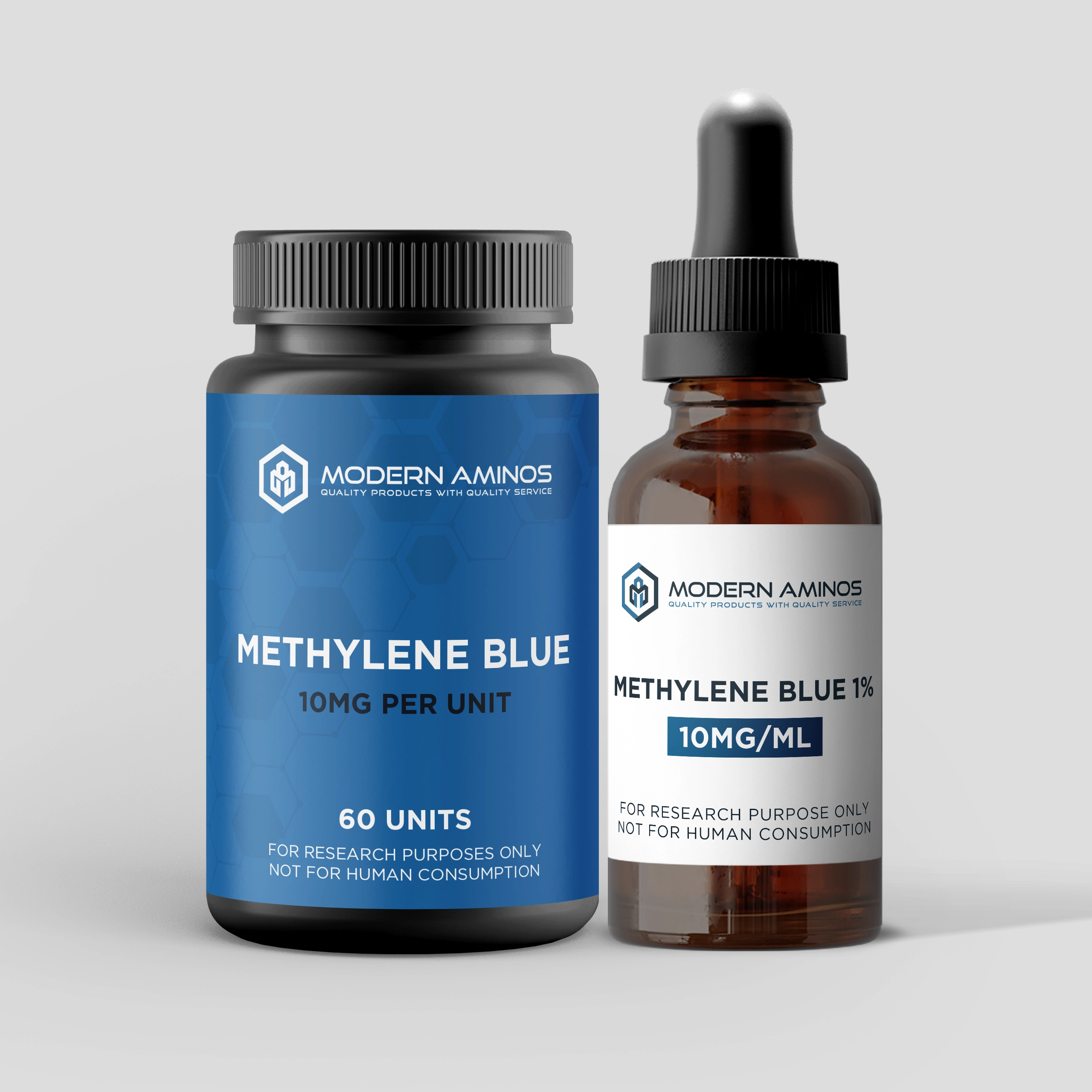
Methylene Blue
Phenothiazine electron cycler; reported Complex IV enhancer
Auto-oxidizable redox cycler described in the literature as accepting electrons upstream of Complex I via flavins and donating them to cytochrome c, effectively bypassing Complex I and Complex III in isolated preparations. Extensively studied in cognition-adjacent (nootropic-related) preclinical rodent research.

Glutathione (GSH)
Endogenous tripeptide; master intracellular thiol buffer
γ-glutamyl-cysteinyl-glycine tripeptide characterized in the biochemistry literature as maintaining the intracellular thiol pool through the GSH/GSSG redox couple. Formulation studies compare standard glutathione with liposomal glutathione and nano glutathione (nano-structured lipid carrier and niosome) delivery systems.

CoQ10 (Coenzyme Q10)
Endogenous ubiquinone / ubiquinol; lipid-phase electron carrier
Lipid-soluble quinone that cycles between the oxidized form (ubiquinone) and the reduced form (ubiquinol) within the inner mitochondrial membrane. The comparative bioavailability of ubiquinol vs. ubiquinone is a central topic in the CoQ10 formulation literature.
Mechanisms of antioxidant activation
The four compounds converge on the same downstream endpoint — reduced oxidative damage in preclinical mitochondrial models — through four mechanistically distinct routes.
IPAM — reported direct Complex I stabilizer
Reported to displace [³H]-dopamine and 2-[¹²⁵I]-iodomelatonin from binding sites associated with the iron-sulfur cluster N2 of Complex I, and to elevate Complex I and Complex IV activity in aged rodent brain mitochondrial preparations at concentrations as low as 10 nM, without producing detectable pro-oxidant intermediates in that preparation (Poeggeler et al., PLoS ONE 2010).
Methylene Blue — alternative electron cycler
Described in the neuropharmacology literature as accepting electrons upstream of Complex I via flavin cofactors, cycling between oxidized (MB) and reduced (leucoMB) forms, and donating electrons directly to cytochrome c — effectively bypassing damaged Complex I and Complex III segments and elevating cytochrome c oxidase (Complex IV) expression and activity in preclinical models (Poteet et al., PLoS ONE 2012; Tucker et al., Mol Neurobiol 2018). The same mechanism underlies its extensive use in nootropic-adjacent rodent cognition research.
Glutathione — thiol redox buffer with formulation-dependent uptake
The reduced tripeptide GSH donates a proton and an electron from its cysteine sulfhydryl group, forming glutathione disulfide (GSSG); the cellular GSH/GSSG ratio is characterized as the master intracellular redox buffer and a rate-limiting substrate for glutathione peroxidase, glutathione-S-transferases, and glutaredoxin (Forman et al., Mol Aspects Med 2009; Labarrere & Kassab, Front Nutr 2022). Reported glutathione benefits in preclinical antioxidant studies are highly dependent on formulation — see the discussion of liposomal glutathione and nano glutathione systems below.
CoQ10 — endogenous quinone / hydroquinone redox couple
The oxidized form (ubiquinone) shuttles electrons from Complex I and Complex II to Complex III, while the reduced form (ubiquinol, CoQH₂) donates hydrogen atoms to lipid peroxyl radicals in the inner mitochondrial membrane, acting as a lipid-phase antioxidant (Mantle, Dewsbury & Hargreaves, IJMS 2024; López-Lluch et al., Nutrition 2018). Reported CoQ10 benefits in preclinical antioxidant models are similarly formulation-dependent, and the redox form matters — see the ubiquinol vs. ubiquinone section below.
Key takeaway. IPAM is reported to engage Complex I directly. Methylene Blue routes electrons around Complex I. Glutathione and CoQ10 operate outside the electron transport chain proper — as an aqueous-phase thiol buffer and a lipid-phase quinone carrier, respectively.
Measured in-vitro antioxidant potency
The most directly comparable in-vitro potency figure across the four compounds is the half-maximal inhibitory concentration (IC50) for the reduction of the DNA-oxidation marker 8-hydroxy-2′-deoxyguanosine (8-OHdG) in isolated rodent brain preparations, as reported by Poeggeler et al. (2010). Comparative values from parallel published assays are shown alongside for orientation.
| Compound | Marker | Reported IC50 / effective range | Primary source |
|---|---|---|---|
| IPAM | 8-OHdG in rodent brain preparation | 0.18 ± 0.03 µM | Poeggeler 2010 |
| Melatonin (reference) | 8-OHdG in rodent brain preparation | 1.4 µM | Poeggeler 2010 |
| Methylene Blue | Superoxide in HT22 hippocampal cells | Effective in the 100 nM – 1 µM range (bell-shaped in-vitro dose-response) | Poteet 2012 |
| Glutathione (GSH) | Aqueous-phase peroxide (GPx substrate) in isolated systems | Millimolar intracellular working range (typically 1–10 mM GSH) | Forman 2009 |
| CoQ10 (ubiquinol) | Lipid peroxidation in isolated mitochondrial preparations | Micromolar range (lipid-phase; assay-dependent) | López-Lluch 2018 |
Interpretive note. IC50 values across different substrates, cell types, and assay conditions are not strictly interchangeable. The table is a directional summary of published in-vitro values, not an equivalence claim. IPAM’s sub-micromolar 8-OHdG IC50 is derived from a single primary publication and has not been independently replicated across laboratories.
Complex I and Complex IV activation in preclinical models
| Compound | Complex I | Complex IV (cytochrome c oxidase) | Additional pathway signals |
|---|---|---|---|
| IPAM | Activity increased at 10 nM in aged rodent brain mitochondrial preparations (Poeggeler 2010) | Activity increased at 10 nM in the same preparations (Poeggeler 2010) | Fe-S cluster N2 binding proposed; no independent replication to date |
| Methylene Blue | Not activated directly; acts as an alternative electron carrier that bypasses Complex I in isolated preparations (Poteet 2012) | Cytochrome c oxidase activity approximately +70% versus saline in repeated-dose rat brain research (Wrubel 2007); Cox activity preserved in chronic hypoperfusion rat models (Auchter 2020) | Nrf2/ARE activation; AMPK-driven macroautophagy (Atamna 2015; Xie 2013) |
| Glutathione | Indirect — S-glutathionylation of Complex I subunits modulates activity in oxidative-stress models (Mailloux & Willmore, Front Cell Dev Biol 2014) | Indirect — mitochondrial GSH depletion sensitizes Complex IV to nitrosative inhibition (Lu 2013) | GPx substrate; GSH/GSSG ratio governs global thiol redox tone (Forman 2009) |
| CoQ10 | Ubiquinol supplementation associated with increased Complex I activity in a senescence-accelerated mouse liver preparation (Yan et al., Antioxid Redox Signal 2014) | Rescued age-related cytochrome c oxidase decline in mouse brain preparations in selected studies (López-Lluch 2018) | Lipid-peroxidation reduction; PGC-1α / sirtuin upregulation with ubiquinol-10 (Yan 2014) |
Visual comparison of research-evidence depth
The chart below scores each compound’s depth of published preclinical evidence on a normalized 0–5 scale across six dimensions: reported in-vitro antioxidant potency, direct Complex I activation, Complex IV / cytochrome c oxidase activation, mammalian lifespan endpoint, cognition-adjacent (“nootropic”) preclinical record, and independent-replication depth. Scores reflect the strength of the published record for each compound in that specific research dimension — they are not efficacy claims and do not imply any human or veterinary use.
Scoring methodology and per-cell rationale
| Dimension | IPAM | Methylene Blue | Glutathione | CoQ10 |
|---|---|---|---|---|
| In-vitro antioxidant potency | 5 — lowest reported 8-OHdG IC50 (0.18 µM), single-study source | 3 — effective 100 nM–1 µM range, multi-lab in-vitro | 4 — broadly characterized as master intracellular thiol buffer | 3 — well-characterized lipid-phase antioxidant, ubiquinol form |
| Complex I direct activation | 4 — direct Fe-S N2 binding reported, single primary paper | 1 — does not activate; bypasses Complex I | 2 — indirect via S-glutathionylation modulation | 3 — ubiquinol supplementation raised CI activity in SAMP mouse liver |
| Complex IV activation | 3 — reported at 10 nM in aged rodent brain, single study | 5 — ~+70% rat brain Cox, multi-lab replication | 2 — indirect; mitoGSH depletion sensitizes Cox to inhibition | 3 — rescues age-related Cox decline in selected preparations |
| Mammalian lifespan endpoint | 0 — rotifer only; no mammalian data | 3 — +6% female max lifespan, NIA ITP UM-HET3 mice | 1 — biomarker-only via GlyNAC precursor design | 1 — formal mouse trial reported no lifespan extension |
| Nootropic-adjacent preclinical record | 0 — no cognition-paradigm data | 5 — deepest published rodent learning/memory record | 2 — oxidative brain-injury models via carrier formulations | 2 — PET brain uptake and PD-model behavioral endpoints (liposomal) |
| Independent replication depth | 1 — one primary paper, no replication | 5 — multi-decade, multi-lab, three continents | 5 — ubiquitous in biochemistry literature | 5 — ubiquinol vs. ubiquinone comparisons across many labs |
Interpretive note. Higher bars indicate deeper published preclinical evidence in that specific research dimension, not therapeutic superiority. IPAM’s peak on in-vitro potency and Complex I direct activation reflects the depth of the single foundational Poeggeler 2010 study; its zero scores on mammalian lifespan and cognition-paradigm data reflect the absence of that literature. Methylene Blue’s uniformly strong profile reflects a century of research replication. CoQ10 and Glutathione peak on replication and biochemistry integration but have a well-documented negative mammalian lifespan datapoint (Sohal 2006) and no formal maximum-lifespan trial, respectively.
Formulation notes: liposomal glutathione, nano glutathione, and ubiquinol vs. ubiquinone
Two of the four compounds in this comparison — Glutathione and CoQ10 — are the subject of extensive formulation research because the parent molecule is difficult to deliver in its native form. Reported glutathione benefits and CoQ10 benefits in preclinical antioxidant studies are highly formulation-sensitive, and the research literature makes a clear distinction between free-form molecules and their carrier-mediated variants.
Liposomal glutathione and nano glutathione in the research literature
Free glutathione has been repeatedly characterized in the pharmaceutics literature as having limited oral bioavailability due to enzymatic degradation and poor gastrointestinal absorption, with baseline oral bioavailability reported below 1% (Chen et al., Pharmaceutics 2025). Carrier-based delivery strategies are the primary response, and three formulation families dominate the peer-reviewed record:
- Liposomal glutathione. A published pilot trial reported that oral liposomal glutathione raised body stores of GSH and markers of immune function versus baseline in a small cohort (Sinha et al., Eur J Clin Nutr 2018). A 2026 randomized crossover pilot comparing a novel micellar glutathione formulation against a standard liposomal glutathione (Setria®) and standard GSH reported an approximately 2.4-fold higher incremental whole-blood GSH exposure for the micellar formulation versus standard GSH (Solnier et al., Antioxidants 2026). In in-vitro epidermal models, liposome-encapsulated GSH attenuated ROS production in a mustard-gas-analog exposure model (Paromov et al., J Toxicol 2011).
- Nano glutathione (nano-structured lipid carriers and niosomes). The pharmaceutics literature includes multiple nano glutathione systems designed to overcome the parent molecule’s absorption barrier: nano-structured lipid carriers reported to protect renal tissue in cyclophosphamide-induced nephrotoxicity models (Ahmad et al., Molecules 2021), and non-ionic surfactant niosomes designed to enhance hepatoprotective activity against CCl₄-induced damage in rat models (Aboubakr et al., Nanotechnol Rev 2021). Reviews of the field describe the barrier landscape and comparative strategies (Liu et al., Acta Mater Med 2022).
- Precursor-based approaches. Some research groups bypass the GSH-delivery problem entirely by supplying its rate-limiting precursors (glycine + N-acetylcysteine, or “GlyNAC”), reporting improved oxidative-stress and mitochondrial-dysfunction biomarkers in older-adult cohorts (Kumar et al., Nutrients 2021).
Ubiquinol vs. ubiquinone — the CoQ10 redox-form question
Ubiquinol vs. ubiquinone is one of the most studied comparative questions in the CoQ10 formulation literature. Ubiquinone is the oxidized form of coenzyme Q10; ubiquinol (CoQH₂) is the fully reduced form (Mantle, Dewsbury & Hargreaves, IJMS 2024).
- Bioavailability comparisons. A randomized crossover study in healthy adults reported that a novel cocrystal ubiquinol formulation had a geometric mean Cmax ratio of 2.20 and AUC0–t ratio of 2.01 versus ubiquinone reference (Mei et al., Clin Pharmacol Drug Dev 2026). Independent comparative pharmacokinetic studies in older adults have reported higher plasma CoQ10 responses with certain ubiquinol formulations than with matched ubiquinone controls (Žmitek et al., Nutrients 2020). Reported ubiquinol benefits in these studies center on higher systemic exposure per equivalent dose.
- Tissue-uptake comparisons. A [¹¹C]-labeled PET biodistribution study in rats reported that ubiquinol-10 accumulated to a greater extent than ubiquinone-10 in cerebrum, cerebellum, adipose tissue, muscle, kidney, and testis (Watanabe et al., BBRC 2019). A mouse study using orally administered ubiquinol-10 and ubiquinone-10 reported that both forms reached the small intestine largely in their originally administered redox state (Kubo, Fujisawa & Yamamoto, JCBN 2022).
- Preclinical anti-senescence comparisons. In a statin-induced senescence model of human dermal fibroblasts, ubiquinol was reported to be more bioavailable than ubiquinone at the same concentration (15 µg/mL) and more efficient at reversing selected senescence markers (β-galactosidase positivity, p21, collagen type 1, elastin) at the gene and protein levels (Marcheggiani et al., Free Radic Biol Med 2021).
- Cardiovascular research literature. A comparative review of 28 clinical trials reported different profiles for CoQ10 (ubiquinone) versus CoQH₂ (ubiquinol) in cardiovascular research, with the authors noting distinct data signatures across the two redox forms (Fladerer & Grollitsch, Curr Cardiol Rep 2023). Reported CoQ10 benefits in this literature are form- and formulation-specific.
- Stability caveat. Ubiquinol is chemically less stable than ubiquinone and can revert during storage without specific stabilization; cocrystal and matrix strategies have been developed to address this (Zhang et al., Pharmaceutics 2023).
Key takeaway. The glutathione benefits and CoQ10 benefits reported in the preclinical antioxidant literature depend heavily on formulation. Liposomal glutathione, nano glutathione, and ubiquinol formulations report substantially higher exposure and biomarker responses in in-vitro and rodent studies than free GSH or crystalline ubiquinone in the same experiments.
Cognition-adjacent (“nootropic”) research signals in preclinical models
The word nootropic is used loosely in the popular literature, but in the peer-reviewed record it typically refers to research compounds studied in preclinical rodent learning, memory-consolidation, and cognition-model paradigms. Of the four compounds compared here, Methylene Blue has the deepest published nootropic-adjacent preclinical record; IPAM has none; Glutathione and CoQ10 appear indirectly.
Methylene Blue — the archetypal preclinical “metabolic cognitive enhancer”
Extensive preclinical rat data describe repeated low-dose methylene blue as improving discrimination learning (with cytochrome c oxidase activity approximately +70% versus saline; Wrubel et al., Pharmacol Biochem Behav 2007), enhancing memory consolidation and fear-extinction retention (Bruchey & Gonzalez-Lima, Learn Mem 2004), and preserving cytochrome oxidase activity in chronic cerebral hypoperfusion rat models (Auchter et al., Front Cell Neurosci 2020). Reviews of the neurometabolic mechanism describe it as a “metabolic cognitive enhancer” in the preclinical literature (Rojas, Bruchey & Gonzalez-Lima, Prog Neurobiol 2012).
IPAM — no cognition-model data
The foundational IPAM publication reports mitochondrial biochemistry and rotifer lifespan endpoints, not learning or memory paradigms (Poeggeler 2010). No independent nootropic-adjacent preclinical dataset exists for IPAM.
Glutathione — indirect through GSH/GSSG in oxidative-stress brain models
Cerebral GSH depletion is characterized in the literature as a driver of oxidative neuronal injury; formulation-based approaches (including liposomal glutathione and nano glutathione carrier systems) have been evaluated in oxidative-brain-injury preclinical models rather than in classical nootropic learning paradigms (Hassaballah et al., Drug Des Devel Ther 2015; Labarrere & Kassab, Front Nutr 2022).
CoQ10 — ubiquinol in age-related brain uptake studies
PET biodistribution work reports higher ubiquinol accumulation in cerebrum and cerebellum than matched ubiquinone (Watanabe 2019), and preclinical Parkinson-model rat studies with liposomal CoQ10 report behavioral and biochemical differences versus non-encapsulated CoQ10 (Umer et al., Inflammation 2025). These are preclinical model results, not classical nootropic learning-paradigm results.
Longevity endpoints in preclinical models
“Longevity data” is often used loosely in the antioxidant literature. In this article, longevity is limited to formal mean or maximum lifespan measurements in a defined organism, not to healthspan biomarkers, senescence markers, or reversal of aging phenotypes.
| Compound | Species / model | Design | Outcome | Primary source |
|---|---|---|---|---|
| IPAM | Bdelloid rotifer Philodina acuticornis | 10–30 µM in medium, n = 11 / group | Mean lifespan 24.6 → 90.5 days at 30 µM (>300% increase); no mammalian data | Poeggeler 2010 |
| Methylene Blue | UM-HET3 mice (NIA Interventions Testing Program) | 28 ppm dietary MB from 4 months of age, three sites | Median lifespan unchanged; female maximum lifespan +6% (P = 0.004); no effect in males | Strong 2013 |
| Glutathione (GSH) | Rodent aging preclinical work with GSH precursors | Glycine + NAC (GlyNAC) supplementation in aged rodents; biomarker studies | Improved oxidative-stress and mitochondrial-dysfunction biomarkers reported; no formal maximum-lifespan trial for GSH itself | Kumar 2021 |
| CoQ10 | Male mice, 3.5 months onward | 93 or 371 mg / kg / day dietary CoQ10 | No lifespan extension at either dose; oxidative-stress markers not consistently reduced | Sohal 2006 |
Only two of the four compounds have positive lifespan data in a formal trial: IPAM in a rotifer model, and Methylene Blue as a sex-specific, modest (+6%) maximum-lifespan extension in the NIA Interventions Testing Program mouse cohort. Coenzyme Q10 has a negative-lifespan mouse study on record. Glutathione lifespan work is dominated by precursor supplementation designs (glycine + NAC) with strong biomarker outcomes but no formal maximum-lifespan endpoint for GSH itself.
Evidence gaps and caveats
IPAM
- Foundational data rest on a single primary paper.
- No independent replication in any mammalian laboratory.
- No neurodegenerative disease-model data for IPAM specifically.
- Endogenous concentrations sit below the reliable quantification limit (< 100 pg / mg brain protein) in the primary preparation.
Methylene Blue
- Dose-response is hormetic in preclinical models — low doses enhance, higher doses inhibit (Rojas 2012).
- Species-specific bypass behavior between mouse and rat Complex III (Gureev 2019).
- Off-target cysteine oxidation affects caspases and non-tau proteins in isolated systems (LeBlanc 2015).
Glutathione
- Free-GSH oral bioavailability is characterized as sub-1% in the pharmaceutics literature (Chen 2025).
- Reported liposomal glutathione and nano glutathione pharmacokinetic advantages come from small crossover or in-vitro studies and are not uniformly reproduced.
- Mitochondrial GSH pool is compartmentally regulated and not fully mirrored by whole-cell GSH assays (Lu 2013).
- No formal maximum-lifespan trial for GSH itself in mammals.
CoQ10 (ubiquinol / ubiquinone)
- Ubiquinol is chemically less stable than ubiquinone and can revert during storage in some formulations (Zhang 2023).
- Reported ubiquinol benefits in bioavailability studies are formulation-dependent, and matched-dose ubiquinone comparisons can narrow the gap (Kubo 2022).
- Negative-lifespan mouse study on record (Sohal 2006).
Research-only comparison summary
- Highest reported in-vitro antioxidant potency (single study): IPAM.
- Deepest replicated Complex IV activation in preclinical models: Methylene Blue.
- Only positive mammalian lifespan datapoint: Methylene Blue (+6% female maximum lifespan, NIA ITP UM-HET3 mice).
- Broadest cellular antioxidant integration: Glutathione (GSH/GSSG redox buffer, GPx / GST substrate).
- Most formulation-sensitive of the four: Glutathione — reported liposomal glutathione and nano glutathione systems substantially change exposure profiles versus free GSH.
- Redox form matters for CoQ10: ubiquinol vs. ubiquinone comparisons repeatedly report higher systemic exposure for ubiquinol formulations at matched doses.
- Deepest cognition-model (“nootropic”-adjacent) preclinical record: Methylene Blue.
- Highest evidence-per-published-paper ratio still needing replication: IPAM.
Frequently asked research questions
IPAM (Indolepropionamide)
What does the primary IPAM research literature actually report?
The foundational publication (Poeggeler et al., PLoS ONE 2010) reports that IPAM elevated Complex I and Complex IV activity in aged rodent brain mitochondrial preparations at concentrations as low as 10 nM, produced an 8-OHdG IC50 of 0.18 ± 0.03 µM in those preparations, and extended mean lifespan of the bdelloid rotifer Philodina acuticornis from 24.6 to 90.5 days at 30 µM. The literature does not include an independent mammalian replication.
How is IPAM proposed to bind Complex I in this research?
The 2010 primary study characterizes IPAM as displacing [³H]-dopamine and 2-[¹²⁵I]-iodomelatonin from binding sites associated with the iron-sulfur cluster N2 of Complex I in isolated rodent brain mitochondrial preparations. This is presented as a proposed mechanism from a single in-vitro study, not as a resolved binding structure.
Has IPAM been evaluated in mammalian lifespan or disease-model research?
No. The only formal lifespan endpoint reported in the peer-reviewed literature for IPAM is in the bdelloid rotifer model. No published rodent or other mammalian lifespan trials, neurodegenerative-model studies, or clinical trials for IPAM exist as of this review.
How does IPAM compare with melatonin in the reported in-vitro assays?
In the same in-vitro 8-OHdG assay reported by Poeggeler et al. (2010), IPAM’s reported IC50 was 0.18 µM versus 1.4 µM for melatonin and 7.46 µM for indole-3-propionic acid. IPAM is also reported in that study to reach 691 pg/mg brain protein at 2 h following a 0.5 mg/kg intraperitoneal administration in a preclinical rodent tracer preparation, versus barely detectable melatonin or IPA at the same time point.
Is IPAM available as a Modern Aminos research material?
Yes. IPAM (Indolepropionamide) is supplied strictly as a laboratory research material for in-vitro and preclinical investigation. It is not for human consumption, veterinary use, or any application involving living organisms.
Methylene Blue
Why is Methylene Blue described as a Complex IV enhancer in the literature?
Repeated low-dose administration of methylene blue in rat preclinical research has been reported to raise brain cytochrome c oxidase activity approximately 70% versus saline (Wrubel et al. 2007), and Cox activity has been reported preserved in chronic cerebral hypoperfusion rat models with methylene blue treatment (Auchter et al. 2020).
Why is Methylene Blue frequently referenced in nootropic-adjacent research?
Methylene blue has one of the deepest published preclinical rodent records for cognition-adjacent paradigms — discrimination learning, memory consolidation, and fear-extinction retention — often paired with cytochrome c oxidase measurements (Bruchey & Gonzalez-Lima 2004; Rojas et al. 2012). This is why it is often referred to in review literature as a “metabolic cognitive enhancer.” The research is preclinical.
Does Methylene Blue extend mammalian lifespan?
In the NIA Interventions Testing Program UM-HET3 mouse cohort, dietary methylene blue at 28 ppm from 4 months of age did not change median lifespan, but extended female maximum lifespan by approximately 6% (P = 0.004); no effect was reported in males (Strong et al., Aging Cell 2013).
What is the reported dose-response character of Methylene Blue in preclinical models?
The preclinical literature repeatedly describes a hormetic (inverted-U) dose-response for methylene blue — low doses associated with enhancement of measured endpoints, higher doses associated with inhibition (Rojas et al. 2012). This dose window is a central feature of the compound’s research profile.
Is Methylene Blue available as a Modern Aminos research material?
Yes. Methylene Blue is supplied strictly as a laboratory research material and is subject to Modern Aminos’s additional ICP-MS heavy-metal screening per the Quality Assurance Program. It is not for human consumption or veterinary use.
Glutathione (GSH)
What glutathione benefits are described in the antioxidant research literature?
Reviews of the biochemistry literature describe reported glutathione benefits as functions of the GSH/GSSG redox couple: substrate for glutathione peroxidase in aqueous-phase peroxide reduction, substrate for glutathione-S-transferases in phase-II conjugation, and cofactor for glutaredoxin in protein-thiol reduction, together maintaining intracellular thiol redox tone (Forman et al. 2009; Labarrere & Kassab, Front Nutr 2022).
What does the liposomal glutathione literature report on bioavailability?
A published pilot study reported that oral liposomal glutathione raised body stores of GSH and markers of immune function from baseline in a small cohort (Sinha et al. 2018). A 2026 randomized crossover pilot reported that a micellar glutathione formulation produced approximately 2.4-fold higher incremental whole-blood GSH exposure than standard GSH, and was compared alongside a standard liposomal glutathione (Setria®) preparation (Solnier et al., Antioxidants 2026).
What is nano glutathione and how does it appear in the literature?
Nano glutathione is an umbrella term in the pharmaceutics literature covering carrier-based delivery systems designed to overcome free GSH’s sub-1% oral bioavailability. The published record includes nano-structured lipid carrier formulations reported to protect renal tissue in cyclophosphamide-induced rodent nephrotoxicity models (Ahmad et al. 2021) and non-ionic surfactant niosomes reported to improve hepatoprotective activity against CCl₄-induced damage in rat models (Aboubakr et al. 2021).
How does Glutathione interact with the mitochondrial electron transport chain?
The literature describes S-glutathionylation of Complex I subunits as a redox-sensitive modulator of Complex I activity in oxidative-stress models (Mailloux & Willmore, Front Cell Dev Biol 2014). Depletion of the mitochondrial GSH pool is reported to sensitize Complex IV to nitrosative inhibition (Lu 2013).
Is Glutathione available as a Modern Aminos research material?
Yes. Glutathione is supplied as a laboratory research material with batch-level Certificates of Analysis via the Modern Aminos Quality Assurance Program. It is not for human consumption or veterinary use.
CoQ10 (Coenzyme Q10)
What CoQ10 benefits are described in the preclinical antioxidant literature?
Reported CoQ10 benefits in the peer-reviewed record center on its two roles: (1) an obligate electron carrier between Complex I / Complex II and Complex III in the inner mitochondrial membrane, and (2) a lipid-phase antioxidant that donates hydrogen atoms to lipid peroxyl radicals in its reduced form (ubiquinol) (Mantle, Dewsbury & Hargreaves 2024). These functions are the mechanistic basis for its use in preclinical mitochondrial-dysfunction models.
What does the literature actually report on ubiquinol vs. ubiquinone?
Multiple published bioavailability studies report higher systemic exposure for ubiquinol formulations than for ubiquinone formulations at matched doses in healthy adults (Mei et al. 2026; Žmitek et al. 2020). PET biodistribution in rats reported greater ubiquinol-10 accumulation than ubiquinone-10 in cerebrum, cerebellum, adipose, muscle, kidney, and testis (Watanabe 2019). A mouse study reported that both forms reach the small intestine largely in their originally administered redox state (Kubo, Fujisawa & Yamamoto 2022).
What are the reported ubiquinol benefits in preclinical anti-senescence research?
In a statin-induced senescence model of human dermal fibroblasts, ubiquinol was reported to be more bioavailable than ubiquinone at the same 15 µg/mL concentration and more efficient at reversing selected senescence markers (β-galactosidase positivity, p21, collagen type 1, elastin) at both the gene and protein levels (Marcheggiani et al. 2021).
Does CoQ10 extend mammalian lifespan?
A formal mouse study administering CoQ10 at 93 or 371 mg / kg / day from 3.5 months of age reported no lifespan extension at either dose and no consistent reduction in oxidative-stress markers (Sohal et al., Free Radic Biol Med 2006). Reported CoQ10 benefits in the literature tend to center on preclinical mitochondrial-dysfunction models and specific tissue endpoints rather than on maximum-lifespan extension.
Is CoQ10 available as a Modern Aminos research material?
Yes. CoQ10 (20 mL) is supplied as a laboratory research solution manufactured to Modern Aminos’s quality-focused standards. It is not for human consumption or veterinary use.
Comparing the four compounds
Which compound has the highest reported in-vitro antioxidant potency?
In the primary in-vitro study by Poeggeler et al. (2010), IPAM reported an 8-OHdG IC50 of 0.18 µM, versus 1.4 µM for melatonin and 7.46 µM for indole-3-propionic acid — the highest published in-vitro antioxidant potency among the four compounds compared here. The finding rests on a single primary publication.
Which compound has the most-replicated Complex IV (cytochrome c oxidase) activation in the literature?
Methylene Blue. Multiple preclinical rodent studies report Complex IV / cytochrome c oxidase activity increases with repeated low-dose methylene blue administration (Wrubel 2007; Auchter 2020). IPAM is also reported to elevate Complex IV activity in a single primary in-vitro study.
Which compound has mammalian lifespan data?
Methylene Blue is the only compound among the four with a formal rodent lifespan trial reporting a positive endpoint (+6% female maximum lifespan in UM-HET3 mice, NIA ITP; Strong et al. 2013). CoQ10 was tested in a comparable design and did not extend lifespan (Sohal 2006). Glutathione has biomarker data but no formal maximum-lifespan trial. IPAM has only rotifer lifespan data.
What is the mechanistic difference between IPAM and Methylene Blue at Complex I?
IPAM is reported to bind the iron-sulfur cluster N2 of Complex I directly at low-nanomolar concentrations and stabilize forward electron flow (Poeggeler 2010). Methylene Blue does not activate Complex I directly — it accepts electrons upstream of Complex I via flavins and donates them to cytochrome c, effectively bypassing Complexes I and III in isolated systems (Poteet 2012; Tucker 2018). These are opposite strategies converging on the same downstream research endpoint.
Why researchers source these compounds from Modern Aminos
What quality-assurance standards apply to Modern Aminos research materials?
Every Modern Aminos catalog item — including IPAM, Methylene Blue, Glutathione, and CoQ10 — carries a batch-specific Certificate of Analysis with batch number and QR code. Compounds with known industry contamination risk (Methylene Blue in particular) receive additional ICP-MS heavy-metal screening before release.
How are Modern Aminos research materials manufactured and verified?
Modern Aminos research materials are formulated and manufactured in the USA to quality-focused production standards, with third-party analytical testing where applicable. Batch identity, purity, and quantity metrics are reported on each item’s Certificate of Analysis and can be independently verified by scanning the vial QR code or entering the batch number on the Quality Assurance page.
Where can researchers find related Modern Aminos catalog items?
All four compounds discussed above are available for laboratory research use only: IPAM (Indolepropionamide), Methylene Blue, Glutathione, and CoQ10 (20 mL). Additional research-grade liquid amino blends are listed at Liquid Amino Acid Blends.
Cited studies and external literature
- Poeggeler B, Sambamurti K, Siedlak SL, Perry G, Smith MA, Pappolla MA. A Novel Endogenous Indole Protects Rodent Mitochondria and Extends Rotifer Lifespan. PLoS ONE 2010. PMC2858081
- Strong R, Miller RA, Antebi A, Astle CM, et al. Longer lifespan in male mice treated with a weakly estrogenic agonist, an antioxidant, an α-glucosidase inhibitor or a Nrf2-inducer. Aging Cell 2013 (methylene blue analysis). DOI 10.1111/acel.12170
- Sohal RS, Kamzalov S, Sumien N, Ferguson M, et al. Effect of coenzyme Q10 intake on endogenous coenzyme Q content, mitochondrial electron transport chain, antioxidative defenses, and life span of mice. Free Radic Biol Med 2006. PMC2834650
- Forman HJ, Zhang H, Rinna A. Glutathione: Overview of its Protective Roles, Measurement, and Biosynthesis. Mol Aspects Med 2009. PMC2696075
- Lu SC. Glutathione synthesis. Mol Aspects Med 2013. PMC3684788
- Labarrere CA, Kassab GS. Glutathione: A Samsonian life-sustaining small molecule that protects against oxidative stress, ageing and damaging inflammation. Front Nutr 2022. PMC9664149
- Sinha R, Sinha I, Calcagnotto A, Trushin N, Haley J, Schell T, Richie J. Oral supplementation with liposomal glutathione elevates body stores of glutathione and markers of immune function. Eur J Clin Nutr 2018. PMC6389332
- Solnier J, Zhang Y, Roh YS, Kuo YC, et al. A Targeted Metabolomic Assessment of Oral Glutathione Bioavailability and Safety in Humans: A Randomized Crossover Clinical Trial. Antioxidants 2026. DOI 10.3390/antiox15030354
- Chen G, Sun J, Wen J, et al. Enhancing the Oral Bioavailability of Glutathione Using Innovative Analogue Approaches. Pharmaceutics 2025. PMC11945201
- Aboubakr EM, Ahmad AM, Mohammed HB, et al. Nano-Structured Lipid Carrier-Based Oral Glutathione Formulation Mediates Renoprotection Against Cyclophosphamide-Induced Nephrotoxicity. Molecules 2021. DOI 10.3390/molecules26247491
- Aboubakr EM, Ahmad AM, Mohammed HB, et al. Glutathione-loaded non-ionic surfactant niosomes: A new approach to improve oral bioavailability and hepatoprotective efficacy of glutathione. Nanotechnol Rev 2021. DOI 10.1515/ntrev-2022-0010
- Paromov V, Kumari S, Brannon MF, Kanaparthy N, Yang H, Smith MG, Stone WL. Protective Effect of Liposome-Encapsulated Glutathione in a Human Epidermal Model Exposed to a Mustard Gas Analog. J Toxicol 2011. PMC3135079
- López-Lluch G, del Pozo-Cruz J, Sánchez-Cuesta A, Cortés-Rodríguez AB, Navas P. Bioavailability of coenzyme Q10 supplements depends on carrier lipids and solubilization. Nutrition 2018. PMC5807419
- Mantle D, Dewsbury M, Hargreaves IP. The Ubiquinone-Ubiquinol Redox Cycle and Its Clinical Consequences: An Overview. IJMS 2024. PMC11203502
- Mei X, Zhu B, Soni K, Kasaraneni K, Panchal NR. A Randomized, Double-Blind, Two-Treatment, Two-Period, Crossover Study Investigating the Systemic Bioavailability of a Novel Cocrystal Ubiquinol Formulation Compared with a Ubiquinone Formulation in Healthy Adults. Clin Pharmacol Drug Dev 2026. DOI 10.1002/cpdd.70042
- Žmitek K, Pravst I, Hristov H, Locatelli I, et al. Comparative Bioavailability of Different Coenzyme Q10 Formulations in Healthy Elderly Individuals. Nutrients 2020. PMC7146408
- Watanabe K, Nozaki S, Goto M, Kaneko K, et al. PET imaging of ¹¹C-labeled coenzyme Q10: Comparison of biodistribution between [¹¹C]ubiquinol-10 and [¹¹C]ubiquinone-10. BBRC 2019. DOI 10.1016/j.bbrc.2019.03.073
- Kubo H, Fujisawa A, Yamamoto Y. Orally ingested ubiquinol-10 or ubiquinone-10 reaches the intestinal tract and is absorbed by the small intestine of mice mostly in its original form. J Clin Biochem Nutr 2022. PMC10017323
- Marcheggiani F, Kordes S, Cirilli I, Orlando P, et al. Anti-ageing effects of Ubiquinone and Ubiquinol in a senescence model of human dermal fibroblasts. Free Radic Biol Med 2021. DOI 10.1016/j.freeradbiomed.2021.01.032
- Zhang Q, Xia M, Zheng C, et al. The Cocrystal of Ubiquinol: Improved Stability and Bioavailability. Pharmaceutics 2023. DOI 10.3390/pharmaceutics15102499
- Fladerer J, Grollitsch S. Comparison of Coenzyme Q10 (Ubiquinone) and Reduced Coenzyme Q10 (Ubiquinol) as Supplement to Prevent Cardiovascular Disease and Reduce Cardiovascular Mortality. Curr Cardiol Rep 2023. DOI 10.1007/s11886-023-01992-6
- Yan Y, Song J, Chen Y, Hosoda K, et al. Ubiquinol-10 supplementation activates mitochondria functions to decelerate senescence in senescence-accelerated mice. Antioxid Redox Signal 2014. PMC4025630
- Umer H, Sharif A, Khan H, Anjum S, et al. Mitigation of Neuroinflammation and Oxidative Stress in Rotenone-Induced Parkinson Mouse Model through Liposomal Coenzyme-Q10 Intervention. Inflammation 2025. DOI 10.1007/s10753-025-02237-0
- Poteet E, Winters A, Yan LJ, Shufelt K, et al. Neuroprotective Actions of Methylene Blue and Its Derivatives. PLoS ONE 2012. PMC3485214
- Tucker D, Lu Y, Zhang Q. From Mitochondrial Function to Neuroprotection — An Emerging Role for Methylene Blue. Mol Neurobiol 2018. PMC5826781
- Wrubel KM, Riha PD, Maldonado MA, McCollum D, Gonzalez-Lima F. The brain metabolic enhancer methylene blue improves discrimination learning in rats. Pharmacol Biochem Behav 2007. PMC2040387
- Rojas JC, Bruchey AK, Gonzalez-Lima F. Neurometabolic mechanisms for memory enhancement and neuroprotection of methylene blue. Prog Neurobiol 2012. PMC3265679
- Bruchey AK, Gonzalez-Lima F. Extinction memory improvement by the metabolic enhancer methylene blue. Learn Mem 2004. PMC523083
- Atamna H, Mackey J, Dhahbi JM. Combined activation of the energy and cellular-defense pathways may explain the potent anti-senescence activity of methylene blue. Redox Biol 2015. PMC4588422
- Xie L, Li W, Winters A, Yuan F, Jin K, Yang SH. Methylene blue induces macroautophagy through 5′ AMP-activated protein kinase pathway to protect neurons from serum deprivation. Front Cell Neurosci 2013. PMC3642497
- Auchter A, Barrett DW, Monfils MH, Gonzalez-Lima F. Methylene Blue Preserves Cytochrome Oxidase Activity and Prevents Neurodegeneration and Memory Impairment in Rats With Chronic Cerebral Hypoperfusion. Front Cell Neurosci 2020. PMC7251060
- Mailloux RJ, Willmore WG. S-glutathionylation reactions in mitochondrial function and disease. Front Cell Dev Biol 2014. PMC4297698
- Kumar P, Liu C, Suliburk J, et al. Supplementing Glycine and N-Acetylcysteine (GlyNAC) in Aging HIV Patients Improves Oxidative Stress, Mitochondrial Dysfunction, Inflammation, Endothelial Dysfunction, Insulin Resistance, Genotoxicity, Strength, and Cognition. Nutrients 2021. PMC8130058
- Hassaballah AE, Salem HF, Omar MM, Ahmed SM. Targeting brain cells with glutathione-modulated nanoliposomes: in vitro and in vivo study. Drug Des Devel Ther 2015. PMC4516201
- Gureev AP, Sadovnikova IS, Popov VN. Methylene blue does not bypass Complex III antimycin block in mouse brain mitochondria. FEBS Lett 2019. PMC6433145
- Pakavathkumar P, Sharma G, Kaushal V, Foveau B, LeBlanc AC. Methylene Blue Inhibits Caspases by Oxidation of the Catalytic Cysteine. Sci Rep 2015. PMC4585840