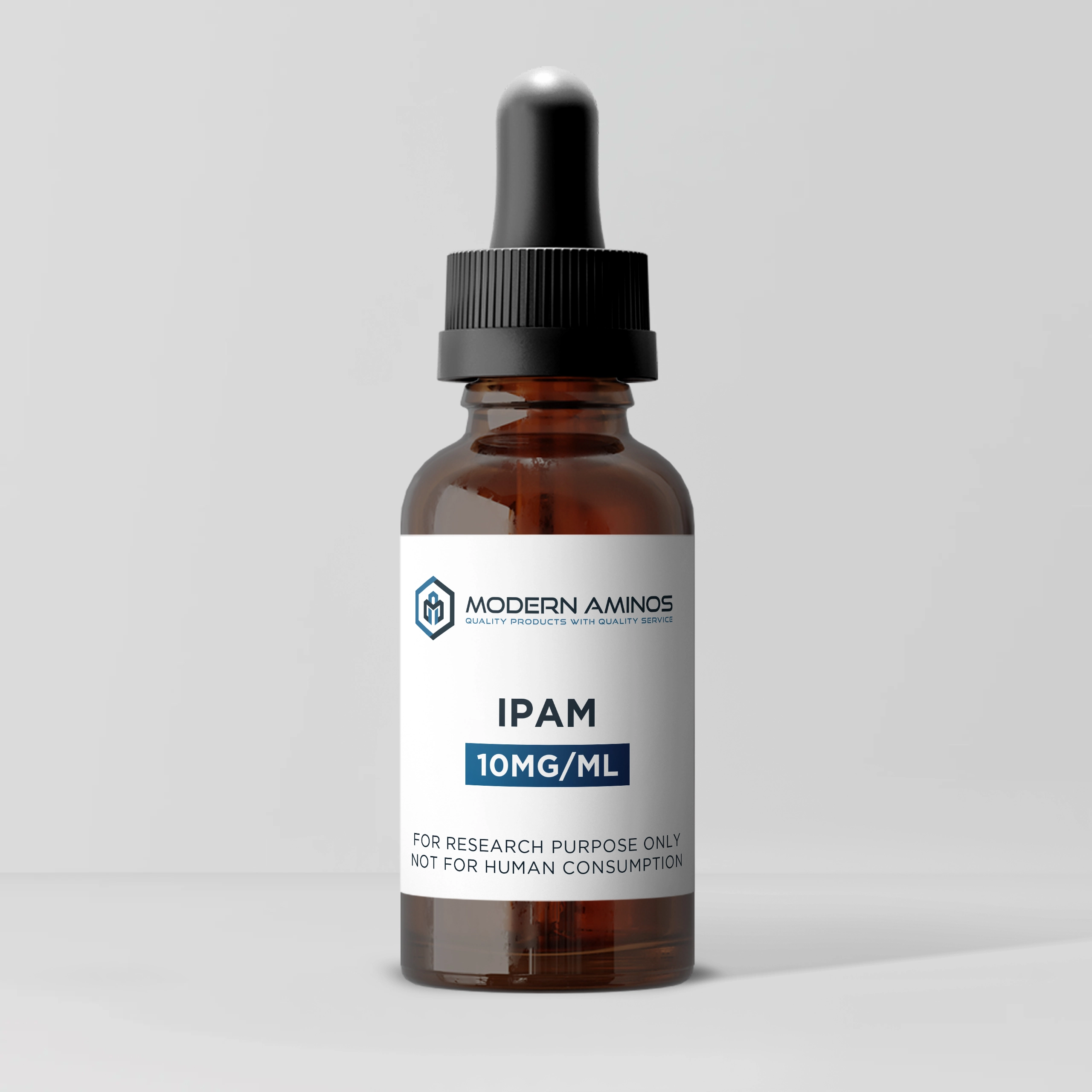
IPAM (Indolepropionamide) is manufactured for laboratory research applications and analytical investigation. Quality-focused production standards, analytical evaluation support, and third-party testing where applicable.
$44.00
In stock
| Quantity | Discounted Price |
|---|---|
| 3 - 5 | $41.80 |
| 6 - 8 | $40.92 |
| 9 + | $39.60 |
IPAM (Indolepropionamide) Research Material is manufactured for laboratory research applications and analytical investigation. Researchers frequently evaluate IPAM (Indolepropionamide) Research Material within controlled environments where consistency, documentation, and standardized procedures remain important components of the scientific process.
Additionally, laboratories often incorporate this research material into structured scientific programs focused on analytical review, material characterization, and comparative investigation. As a result, research teams can utilize standardized materials while maintaining organized workflows and repeatable research procedures.
Researchers may utilize IPAM (Indolepropionamide) Research Material in laboratory programs involving analytical assessment, comparative investigation, and research methodology development. Furthermore, scientific teams frequently examine research materials through structured protocols designed to document formulation characteristics and analytical properties.
Moreover, comparative investigations often help laboratories establish consistent evaluation standards across multiple projects. Consequently, research teams can develop repeatable procedures that support scientific consistency, organized documentation, and dependable analytical practices.
Likewise, structured workflows help researchers maintain reliable documentation standards throughout ongoing studies. In addition, organized methodologies contribute to accurate recordkeeping, dependable data collection, and improved continuity between research teams.
Research materials are frequently incorporated into scientific investigations designed to evaluate material characteristics, analytical properties, and comparative performance within controlled laboratory environments. Additionally, researchers often utilize standardized materials to support organized workflows and repeatable evaluation procedures.
Furthermore, structured research frameworks help laboratories maintain consistency across multiple investigative programs. Similarly, documented methodologies support accurate communication, reliable reporting practices, and repeatable analytical workflows.
Therefore, many research teams prioritize organization, procedural consistency, and standardized evaluation methods when conducting ongoing laboratory investigations.
IPAM (Indolepropionamide) Research Material is available in a laboratory research format designed to support a variety of analytical workflows. Consequently, researchers can review available documentation and product specifications before incorporating materials into their research programs.
Furthermore, standardized research materials help laboratories maintain consistency across ongoing investigations. As a result, research teams can make informed purchasing decisions based on their project requirements and study objectives.
Modern Aminos works with manufacturing partners that emphasize process control, product consistency, and dependable production practices. Additionally, established procedures help support reliable batch-to-batch performance and standardized research material preparation.
Furthermore, quality verification measures help researchers obtain materials that align with documented specifications and analytical requirements. As a result, laboratories can maintain confidence in the consistency of the materials they evaluate.
Likewise, third-party testing and quality-focused manufacturing practices support dependable sourcing and reliable laboratory workflows. Consequently, manufacturing consistency remains an important consideration for ongoing research applications.
The products offered by Modern Aminos are intended strictly for laboratory research purposes only and are sold exclusively to qualified professionals, institutions, and entities. These products are not for human consumption, veterinary use, or any other application involving living organisms, including but not limited to diagnostic, therapeutic, or recreational purposes.
By purchasing this product, you confirm that:
Modern Aminos does not claim that this product is approved by the U.S. Food and Drug Administration (FDA) for any purpose. The statements regarding this product have not been evaluated by the FDA. This product is not intended to diagnose, treat, cure, or prevent any disease.
The buyer assumes full responsibility for ensuring the safe handling, storage, and use of this product. Modern Aminos is not liable for any damages, direct or indirect, resulting from improper handling, storage, or unauthorized use of this product. Furthermore, Modern Aminos reserves the right to refuse sales to any individual or entity suspected of misusing its products.
If you have questions about the safe and lawful use of this product, consult a qualified professional with expertise in laboratory research. By proceeding with this purchase, you agree to these terms and conditions.